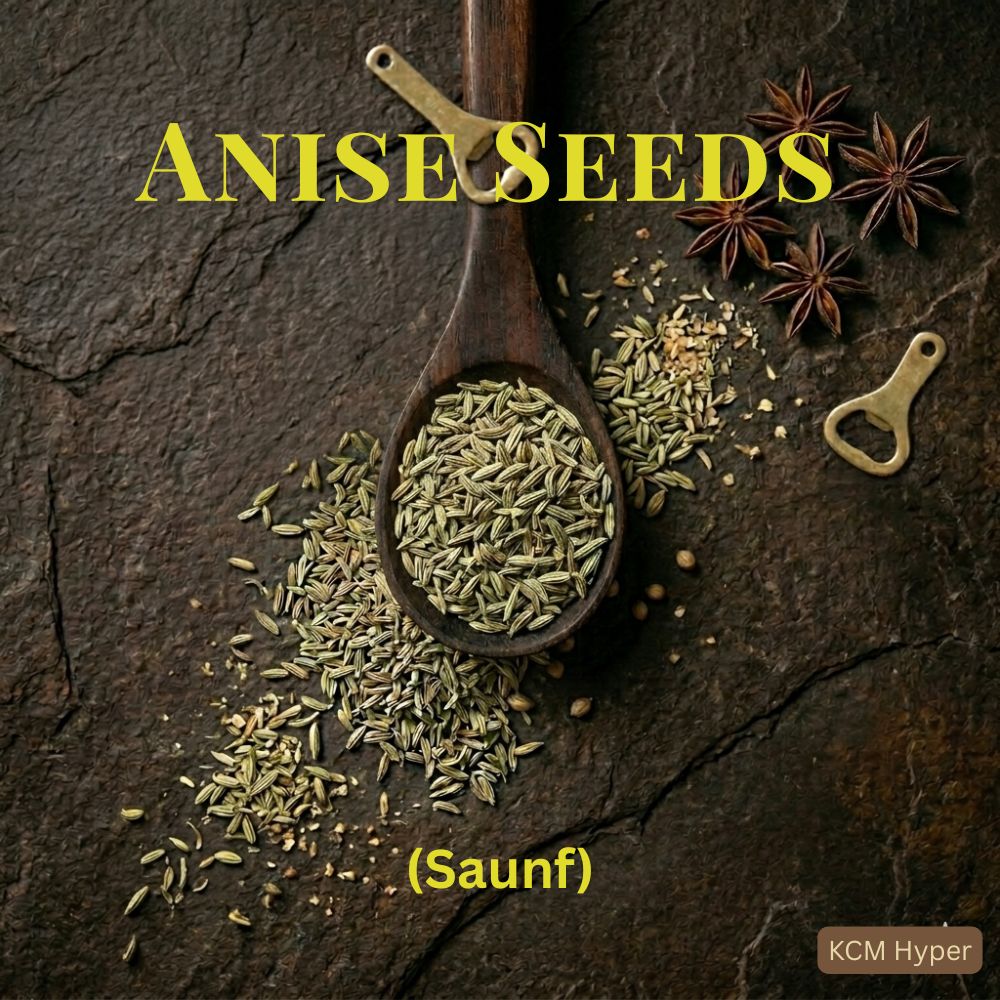
Anise Seeds (Saunf)
The Sweet Aroma of Traditional Wellness
Anise seeds are prized for their sweet, licorice-like flavor and their dual role as a powerful culinary spice and a natural digestive aid.
🌿 Overview
Anise seeds are small, oblong, and highly aromatic. Often confused with fennel, they have a distinctively sweet and pungent profile. In Indian households, they are celebrated not just as a spice, but as a refreshing post-meal palate cleanser.
🏺 Heritage & Origin
Native to the Eastern Mediterranean and Southwest Asia, Anise has been cultivated for thousands of years. It holds a sacred place in ancient herbal medicine and has been traded along the Silk Road as a luxury botanical for centuries.
💪 Health Benefits
- Excellent for digestive health and reducing bloating
- Natural breath freshener
- Contains anti-inflammatory properties
- Rich in essential minerals like Iron and Manganese
🍳 Popular Uses
- Breads, cakes, and cookies (biscuits)
- Flavoring for teas and beverages
- Traditional Indian sweets and desserts
- Infused in oils for savory meat and vegetable stews
👨🍳 How to Use
Dry roast the seeds on a low flame to release their essential oils before grinding. You can also steep them in hot water for a soothing herbal tea or use them whole in doughs for a sweet aromatic crunch.
📦 Storage Tips
To keep the aroma potent, store in an airtight glass jar in a cool, dark place. Ground anise loses its flavor quickly, so try to grind seeds fresh when needed.
❓ Frequently Asked Questions
1. Is Anise the same as Fennel?
No, while they look similar and both have a licorice flavor, Anise is more pungent and sweet, while Fennel is milder and more woody.
2. Can I use Anise seeds for tea?
Yes, steeping a teaspoon of seeds in hot water makes a very popular digestive tea.
3. Does it help with digestion?
Absolutely. It is one of the most common natural remedies for indigestion and gas.
4. How much should I use?
Because the flavor is intense, start with a small pinch and adjust to your taste.
Explore more spices: Ajwain | Mustard Seeds | Fenugreek
Comments
Post a Comment